
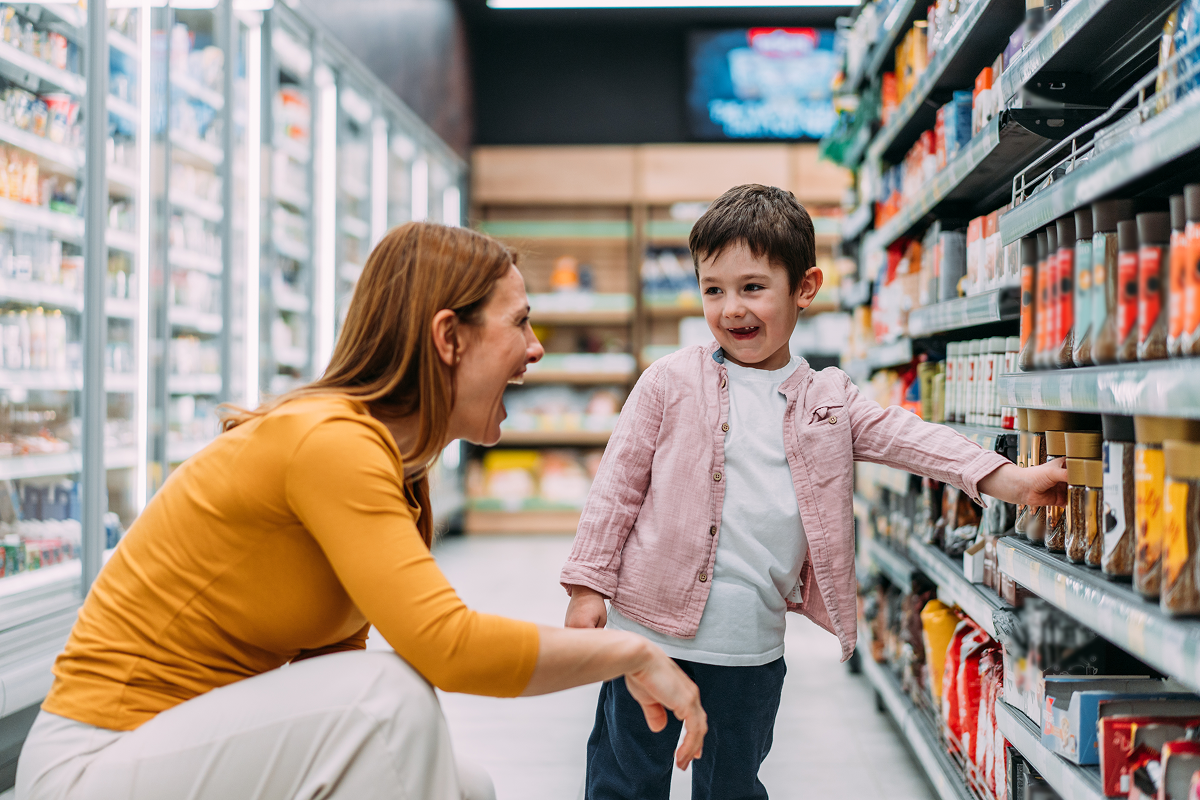
A child learns to request a snack during a therapy session – a big milestone worth celebrating. But can they do it at home, in the busy kitchen with their family? Or at school, surrounded by classmates? If not, the skill’s value ends at the clinic door.
That’s where generalization training comes in. In Applied Behavior Analysis (ABA), generalization means learners can use new skills across people, places, and time. Without a clear plan to promote it, progress stays stuck in the therapy room instead of supporting independence in daily life.
This guide gives ABA practitioners a step-by-step framework to plan, teach, and measure generalization – so the skills you teach truly last.
TL;DR: Generalization at a Glance
So, what is generalization in ABA? It’s the generalization of skills – the ability to apply learned skills across settings, different situations or environments, with different people, and over time, ensuring they are meaningful and functional in real life.
There are three main types of generalization:
- Stimulus generalization: Applying the same skill in new situations.
- Response generalization: Using different behaviors to achieve the same goal.
- Maintenance: Retaining and using skills over time, even after teaching ends.
The goal is to extend learning beyond therapy, making skills practical and useful in everyday life.
Why Is Generalization Important in ABA Therapy?
Generalization is the process of ensuring that a learner can apply learned behaviors and skills across different settings, people, materials, and times without direct, continuous instruction. For many learners, including children with autism, generalization is the ultimate measure of whether a skill is truly mastered.
Without it, therapy success may stay locked inside the session. A child who labels colors on flashcards may not identify the color of a traffic light. This happens when learning depends too much on specific cues such as the therapist, the materials, or the therapy room.
When skills generalize, learners gain independence and confidence. They can communicate needs at school, follow directions at home, and connect with peers. That’s the real goal of ABA – lasting, functional change that improves quality of life.
The Three Types of Generalization
Generalization isn’t a single concept; it’s a multi-faceted process. To plan effectively, it’s essential to understand its three primary forms: stimulus generalization, response generalization, and maintenance. These three types of generalization work together to make learning flexible, adaptable, and lasting.
| Type | Definition | Example |
| Stimulus Generalization | The same skill is demonstrated in response to different, untrained stimuli (people, settings, materials). | A learner says “hello” to their therapist and then independently says “hello” to a teacher, peer, or a store clerk. |
| Response Generalization | A learner uses different but functionally equivalent responses to achieve the same goal. | A learner is taught to ask for a break by saying “Can I have a break?” They later say “I need a minute” or tap a break card to communicate the same need. |
| Maintenance | A skill continues to be used over time, long after the initial direct teaching has ended. | A learner who mastered tying their shoes six months ago continues to do so every morning without prompting or re-teaching. |
Stimulus generalization is about expanding the “where” and “with whom” a skill is used.
Response generalization allows a learner to adapt their behavior to fit different social contexts while still achieving their intended outcome.
Maintenance confirms that the skill has become a permanent part of the learner’s toolkit, accessible whenever needed without continuous therapeutic intervention.
Key Teaching Strategies
Effective generalization doesn’t happen by accident; it requires evidence-based planning and implementation from the very beginning of instruction. Integrating these strategies into your teaching will help ensure that skills are built to last.
- Rotate Examples: Don’t rely on one set of flashcards or toys. Use many examples to teach the core concept, not the item. For instance, if teaching the concept of “dog,” include pictures, figurines, and even real-life interactions with different breeds and sizes of dogs. This ensures that the learner understands the core idea, not just a single representation.
- Vary How You Ask: When giving instructions, avoid using the same phrasing repeatedly. Mix up how you present the request to promote flexibility and response generalization. For example, instead of always saying, “Touch the cat,” you could alternate with, “Show me the kitty” or “Point to the cat.”
- Bring Real-Life Cues into Therapy: Consider real-life situations learners encounter at home, school, and in the community. Match items and cues in therapy as closely as possible to what the learner encounters in their everyday life. For example, if a classroom uses a specific type of token board system or a particular visual schedule, incorporate those same materials during instruction.
- Use Natural Moments (NET): Take advantage of natural opportunities throughout the day to embed teaching. For example, practice requesting items during snack time by having the learner ask for juice or crackers. Similarly, work on social greetings during arrival or departure times when it naturally fits into the context. This type of incidental teaching makes the learning feel more relevant and helps the learner apply their skills in meaningful, everyday situations.
- Fade Prompts Systematically: Start with full prompts to teach a new skill, but don’t stay there. Gradually reduce the level of prompting, moving toward more subtle cues, until the learner can perform the skill independently. The ultimate goal is for natural environmental cues – such as seeing a peer greet them or spotting a snack on the table – to trigger the desired behavior or response without needing additional prompts.
- Reinforce Naturally: Shift from artificial rewards to natural outcomes such as getting the toy, joining a game, or receiving a smile. Using outcomes that occur naturally in the environment helps make skills self-sustaining and more meaningful over the long term.
Example Generalization Template
A clear plan is the first step toward successful generalization. Here is a simple template for a common skill.
Example: Requesting Food Items
| Category | Details |
| Target Skill | Requesting desired food items (“want,” “eat,” “more”) |
| Settings | Home kitchen, school cafeteria, therapy clinic, grocery store |
| People | Parent, teacher, speech therapist, peer |
| Materials | Snacks, meals, drinks |
| Strategies | – Practice 5–7 food items across settings – Fade prompts from full verbal to expectant pause – Reinforce with food and praise |
| Success Criteria | Independently requests food in ≥2 settings with ≥2 people on 80% of opportunities for two consecutive weeks |
Templates like this can be adapted for communication, social, or daily living skills to ensure consistency across environments.
The Parent Role
Parents and caregivers are the bridge between therapy and real life. They spend the most time with their child and can create endless natural learning opportunities for skill practice. When parents are empowered to act as co-therapists, they close the gap between the clinic and home, ensuring that learning happens around the clock.
Here’s how caregivers can ensure generalization at home:
- Incorporate Practice into Daily Routines: Parents can embed practice into existing routines like mealtimes, bedtime, and playtime. For example, they can practice labeling clothing items while getting dressed or following two-step directions during cleanup time.
- Use the Same Language and Cues: Therapists should train parents on the specific verbal cues and prompts used in therapy for smooth transfer of skills.
- Provide Natural Reinforcement: Parents are in the perfect position to provide immediate, natural reinforcement. When a child asks for help opening a door, the parent opening the door is a powerful and functional reinforcer.
- Communicate with the Therapy Team: Parents can share successes and challenges, which helps adjust the generalization plan as needed.
By actively participating, parents not only help skills generalize but also build confidence in supporting their child’s development.
The School Role
School is where generalization is tested daily. Skills must transfer to busy, dynamic environments with multiple adults and peers. Collaboration between the ABA team and school personnel is critical for achieving meaningful outcomes.
Strategies for success at school:
- Embed Practice in Existing Routines: Teachers can integrate skill practice into the daily classroom schedule. For instance, a learner working on turn-taking can practice during board games or group activities.
- Use Shared Cues and Visuals: A visual schedule or token board that is used in the clinic can also be used at school.
- Schedule Regular Check-ins: Brief, weekly check-ins between the Board Certified Behavior Analyst (BCBA), teacher, and other specialists can align strategies and troubleshoot challenges.
- Train Teachers and Aides: A BCBA can provide training to school staff on specific strategies to empower the school team to support the learner effectively.
When the school team is an active participant in the generalization plan, learners are given the best possible chance to succeed academically and socially.
Measuring Progress
Once teaching begins, data collection for generalization must be just as systematic as for initial skill acquisition. It’s not enough to hope that skills are transferring; you need to measure it.
Data collection methods include:
- Generalization Probes: Periodically, without any prompting, test the skill in an untrained setting or different environment, with a new person, or with different materials. These probes are not teaching sessions; they are pure data collection points.
- Natural Environment Observations: Observe the learner in their natural environment and record instances of the target skill occurring spontaneously.
- Tracking Across Settings: Use a simple data sheet to have parents and teachers track whether the skill was observed at home or in the classroom.
- Maintenance Checks: After a skill is mastered, schedule brief monthly checks to ensure it is still present.
A quick check plan might look like this:
- During Learning: Conduct 3–5 generalization probe trials once a week with a new person, place, or material.
- After Mastery: Conduct brief monthly maintenance checks to confirm the skill persists.
Common Challenges
Even the best-planned generalization programs can hit obstacles. Recognizing common problems early allows you to adjust before progress stalls. Below are frequent challenges practitioners face and strategies that keep skills moving from the therapy room to the real world.
| Challenge | Solution |
| Skills don’t transfer | Introduce variety from day one. Rotate materials, locations, and instructors during initial teaching. Once a learner shows success, schedule practice in the actual environment where the skill is needed. |
| Skill regression | Plan for maintenance. Add short “booster” sessions or monthly probes after mastery. Keep natural reinforcement strong so the learner continues using the skill independently. |
| Context dependency | Rotate instructors and train with multiple people, including parents and teachers. Encourage generalization through peer involvement whenever appropriate. |
| Works in clinic, not school | Share materials and cues between settings. Use matching visuals or schedules, and coordinate with teachers to embed opportunities for practice during daily routines. |
| Motivation dips | Re-evaluate the function of the behavior and the reinforcer. Make outcomes immediate and meaningful, such as access to a preferred activity, social praise, or natural success from completing the task. |
Real-World Examples
- Communication: A learner masters requesting help with a zipper on a jacket in therapy. The parent practices this skill at home, and the teacher prompts and reinforces the skill after recess. Success is tracked with two quick weekly checks by both the parent and teacher.
- Daily Living: A learner is taught a hand-washing routine. Generalization is promoted by practicing at different sinks in different locations with different types of soap. Prompts are systematically faded from hand-over-hand to a simple gesture to full independence.
- Behavior Replacement: A learner is taught to ask for a turn on the slide instead of pushing. The therapy team practices on the clinic playground. The teacher then reinforces this skill on the school playground, accepting multiple polite phrases like “My turn?” or “Can I go next?” to ensure the natural outcome is getting a turn.
These examples show how small adjustments – shared cues, coordinated reinforcement, and ongoing practice – create lasting generalization.
The Goal Is Lasting Change
Generalization is not an afterthought; it is the goal. Every skill we teach should be selected and designed with its real-world application in mind. Lasting, meaningful behavioral change is achieved when learners can take what they’ve learned in therapy and use it to build a more independent, fulfilling life.
This requires careful planning, systematic instruction, and, most importantly, collaboration. By working closely with parents, teachers, and the learner themselves, you can create a supportive network that ensures skills are not only learned but are used, maintained, and celebrated in all the places that matter.
The true measure of progress in ABA is not performance in therapy, but independence beyond it.
Sections
Sections ▾
Frequently Asked Questions
Generalization training is the process of planning and teaching to ensure that skills learned in a therapeutic setting can be used across different people, settings, materials, and over time. Its goal is to make skills functional and durable in the real world.
There is no set timeline. It depends on the learner, the complexity of the skill, and how consistently generalization strategies are implemented. Some skills may generalize quickly, while others may require months of systematic effort. The key is to plan for it from the start.
Stimulus generalization is when a single skill is used in response to multiple, different stimuli (e.g., greeting several different people). Response generalization is when a learner uses multiple, different but functionally equivalent skills to achieve the same outcome (e.g., saying “Help me,” “I need help,” or tapping someone’s arm to get assistance).
Parents can embed practice into daily routines, use consistent language and cues from therapy, provide natural reinforcement for skills, and maintain open communication with the clinical team about what is and isn’t working at home.
If a skill isn’t generalizing, revisit your plan. Are you using enough examples? Are you practicing in the target environment? Are the reinforcers powerful enough? You may need to do more direct teaching in the natural setting until the skill appears consistently.
Yes. Generalization should be built into instruction from the very beginning, not saved for after a skill is “mastered.” Introducing variety early (new materials, different people, multiple locations, varied instructions) helps prevent the skill from becoming tied to one specific context. When generalization is part of initial teaching, learners are more flexible, more independent, and less likely to get “stuck” needing the same prompts or conditions that were present during early sessions.
To maintain generalization, continue creating natural opportunities for the skill to be used long after mastery. Rotate environments, vary the people involved, and shift to natural reinforcement so the learner experiences real-world benefits for using the skill. Schedule periodic maintenance probes to confirm the skill is still strong. Collaboration is key: parents, teachers, and therapists should share data and examples to ensure the skill stays active across all settings and routines.